Free shipping for all orders over $65 (before taxes)*




Blog
Digestion and Gut Health: Why Should You Take Care of Your Second Brain?

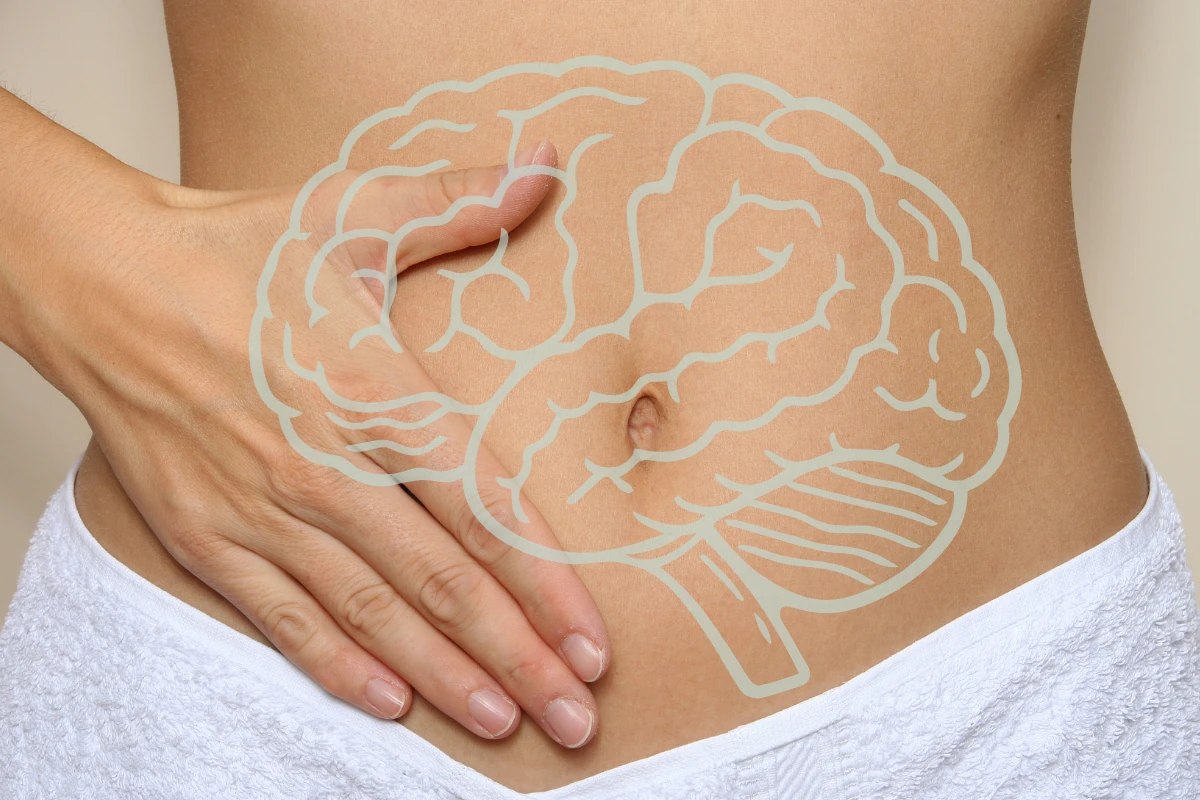
Our gut does much more than digest food. It is home to trillions of microorganisms, plays a role in immune system function, and constantly communicates with our brain. Discover how this fascinating ecosystem works and which simple habits can help support your digestive health.
1. Digestion: Much More Than Just Your Stomach
Digestion is an essential process that allows our body to break down food into nutrients that cells can use. It begins in the mouth, continues through the stomach and small intestine, and largely concludes in the colon, where water is reabsorbed and waste is gradually eliminated.
But the digestive system does not work alone. It interacts with the nervous system, the immune system, and the gut microbiota, forming a complex network that contributes to the body’s overall balance.
What Is the Gut Microbiota?
The gut microbiota refers to all the microorganisms living in our digestive tract, including bacteria, viruses, fungi, and other microbes. Each person has a unique microbiota, influenced by factors such as diet, environment, age, and certain medications.
These microorganisms play several important roles:
- Fiber digestion: Certain bacteria ferment dietary fibers that our bodies cannot digest on their own.
- Metabolite production: This fermentation produces short-chain fatty acids, including butyrate, which help support the function of colon cells.
- Supporting the intestinal barrier: Certain microbial metabolites help maintain the intestinal lining.
- Interaction with the immune system: The microbiota contributes to the development and regulation of immune defenses.
A healthy microbiota does not have one universal bacterial composition. Rather, it is an ecosystem whose functions and interactions contribute to proper intestinal health.
Key takeaway: Dietary diversity, particularly a variety of fiber-rich plant foods, is a valuable way to nourish gut microorganisms.
Source: Harvard T.H. Chan School of Public Health, The Microbiome.
2. Why Is the Gut Called the “Second Brain”?
The expression “second brain” refers to the enteric nervous system, an extensive network of neurons located within the walls of the digestive tract. This network can coordinate several digestive functions, including intestinal contractions, secretions, and certain reflexes, without requiring conscious instructions from the brain at every step.
The gut and brain also communicate in both directions through several pathways, including the vagus nerve, hormones, the immune system, and molecules produced by the gut microbiota. This communication is known as the gut-brain axis.
This helps explain the feeling of “butterflies in your stomach” before an important event, or why stress can sometimes cause nausea, cramps, or changes in bowel movements.
Communication also works in the opposite direction: signals from the digestive system can influence certain brain functions. Researchers are actively studying the connections between the microbiota, stress, mood, and various neurological functions.
However, it is important to distinguish an association from a cause-and-effect relationship. The connections between the microbiota and mental health are complex, and several mechanisms remain to be clarified in humans.
Source: Canadian Digestive Health Foundation, “The Connection Between the Gut, Mood and Behaviour.”
3. Serotonin, Dopamine, and the Gut: What Does Science Say?
The gut contributes to the production and regulation of several signaling molecules, some of which are also known for their roles in the nervous system. Two of these molecules have attracted particular scientific interest: serotonin and dopamine.
Serotonin: An Essential Role in Digestion
Serotonin is a neurotransmitter involved in several bodily functions. It plays a role in intestinal motility, digestive secretions, and the transmission of certain sensory signals.
It is estimated that approximately 90% of the body’s serotonin is produced in the gastrointestinal tract, primarily by specialized cells in the intestinal lining.
However, an important distinction must be made: serotonin produced in the gut does not freely cross the blood-brain barrier to act directly on the brain. Gut serotonin and brain serotonin belong to separate physiological compartments.
Their roles therefore cannot be reduced to a simple relationship between a healthy gut and a positive mood. Gut-brain communication involves numerous mechanisms, some of which are still being studied.
Dopamine: Motivation, Movement, and Gut Communication
Dopamine is associated with motivation, learning, movement, and reward mechanisms. It also plays a role in digestive system function, where it helps regulate intestinal motility and other gastrointestinal processes.
Certain cells in the body and certain gut bacteria participate in the metabolism of dopamine or its precursors. Researchers are currently investigating how these interactions may influence communication between the gut and the brain.
However, dopamine produced in the gut does not directly cross the blood-brain barrier. Therefore, it would be inaccurate to claim that improving the gut microbiota automatically increases dopamine levels in the brain or directly improves motivation.
What to remember: The gut is part of a biological communication network connecting digestion to other bodily functions. Supporting digestive health is important for overall well-being, but it should not be considered a treatment for anxiety, depression, or neurological disorders.
Sources: Cleveland Clinic, “Serotonin: What Is It, Function & Levels”; Pasricha and Kulkarni, Nature Reviews Gastroenterology & Hepatology, 2025.
4. Nutrition: Fuel for Your Gut Microbiota
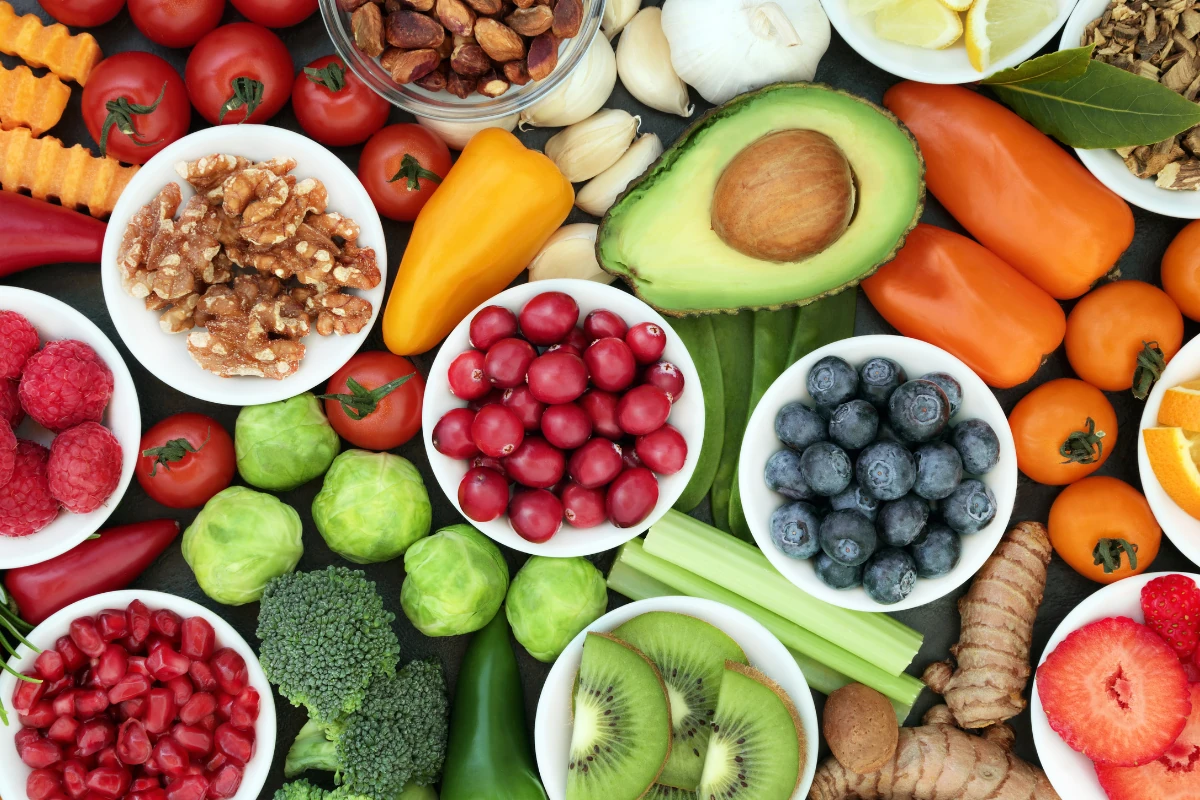
What we eat influences the nutrients available to intestinal cells and the microorganisms living in our digestive tract. A varied diet that includes sufficient fiber and different plant-based foods provides a strong foundation for supporting digestive health.
Dietary Fiber: An Essential Ally
Fiber consists of components of plant foods that human digestive enzymes cannot completely break down. Some types of fiber retain water and contribute to stool consistency, while others are fermented by bacteria in the colon.
This fermentation can produce short-chain fatty acids, molecules that help support the function of the intestinal lining.
To diversify your fiber sources, consider gradually incorporating:
- Vegetables: Broccoli, carrots, artichokes, squash, and leafy greens.
- Fruits: Apples, pears, raspberries, and other berries.
- Legumes: Lentils, chickpeas, and beans.
- Whole grains: Oats, barley, and whole-grain bread.
- Nuts and seeds: Almonds, chia seeds, and flaxseeds, depending on your preferences and tolerance.
Fiber requirements vary from person to person. For adults, guidelines from the U.S. National Institute of Diabetes and Digestive and Kidney Diseases generally recommend 22 to 34 grams of fiber per day, depending on age and sex.
If your current diet is low in fiber, increase your intake gradually and drink enough water to help minimize gas and bloating.
Fermented Foods: Another Way to Add Variety to Your Diet
Certain fermented foods may contain live microorganisms, depending on how they are produced and stored.
Some options include:
- Unpasteurized sauerkraut.
- Kimchi.
- Kefir or yogurt containing live cultures, if you consume dairy products.
- Tempeh.
- Certain refrigerated fermented vegetables.
Not all fermented foods necessarily contain live microorganisms at the time of consumption. Furthermore, their effects vary depending on the food and microbial strains involved. Not every fermented product should be considered a probiotic with automatically proven health benefits.
The goal is not to consume one particular food at all costs, but rather to maintain a varied diet suited to your individual tolerance.
Sources: Harvard T.H. Chan School of Public Health, “Fiber” and “Probiotics for Gut Health.”
5. Seven Simple Habits to Support Digestive Health
Taking care of your gut does not require a complicated routine. Several everyday habits can help support regular bowel movements and digestive comfort.
1. Eat Enough Fiber
Include different sources of fiber in your meals. Variety is important, but increase your intake gradually if you are not accustomed to eating much fiber.
2. Drink Enough Water
Hydration supports the body’s normal functions. It is especially important when increasing your fiber intake, as water helps fiber support healthy bowel movements.
3. Stay Physically Active
Walking, cycling, dancing, or any other physical activity you enjoy can contribute to a regular digestive routine. The goal is to move consistently rather than strive for perfection.
4. Take Your Time When Eating
Eating slowly, chewing thoroughly, and taking a proper break for meals can help you better recognize hunger and fullness signals and reduce discomfort associated with eating too quickly.
5. Listen to Your Body’s Bathroom Signals
Avoid routinely delaying the urge to have a bowel movement. Establishing a regular routine in a comfortable, unhurried environment can encourage healthy bowel habits.
6. Prioritize Sleep and Stress Management
Stress and sleep can influence digestive symptoms in some people. Simple habits, such as maintaining a relatively consistent bedtime, going for a walk, or practicing a few minutes of calm breathing, can support overall well-being.
These practices do not replace treatment when a digestive or psychological condition requires professional care.
7. Avoid Extreme Dietary Changes
Highly restrictive diets and the elimination of entire food groups are not necessary for everyone. If certain foods appear to trigger symptoms, it is better to assess the situation systematically with a healthcare professional rather than continuously adding dietary restrictions.
Source: National Institute of Diabetes and Digestive and Kidney Diseases, “Treatment for Constipation.”
6. When Should You Consult a Healthcare Professional?
Occasional bloating or temporary changes in bowel habits can occur for various reasons. However, certain symptoms deserve medical evaluation, particularly when they persist, worsen, or interfere with daily activities.
Consult a healthcare professional if you experience persistent constipation, recurring abdominal pain, or unusual changes in bowel habits. Blood in the stool, rectal bleeding, or continuous abdominal pain require prompt medical attention.
A balanced diet and healthy lifestyle habits are beneficial, but they do not replace the diagnosis and treatment of digestive health conditions.
Source: National Institute of Diabetes and Digestive and Kidney Diseases, “Constipation.”
Conclusion: Taking Care of Your Gut, One Habit at a Time
Digestion is a complex process involving much more than the stomach and intestines. The microbiota, immune system, and nervous system work together and communicate with the brain through several pathways.
Research on the gut-brain axis is opening fascinating new perspectives, particularly regarding the role of microorganisms in the metabolism of molecules such as serotonin and dopamine. However, some questions remain unanswered, and gut health cannot be reduced to a single food, supplement, or bacterial strain.
To get started, focus on simple habits: diversify your diet, gradually increase your fiber intake, stay hydrated, move regularly, and listen to your body’s needs.
Your digestive well-being is built every day, one habit at a time.
Scientific Sources and References
- Harvard T.H. Chan School of Public Health — The Microbiome
https://nutritionsource.hsph.harvard.edu/microbiome/
- Canadian Digestive Health Foundation — The Connection Between the Gut, Mood and Behaviour
https://cdhf.ca/fr/le-lien-entre-lintestin-lhumeur-et-le-comportement/
- Cleveland Clinic — Serotonin: What Is It, Function & Levels
https://my.clevelandclinic.org/health/articles/22572-serotonin
- Pasricha, T. S., and Kulkarni, S. (2025). Dopaminergic signalling in gastrointestinal health and disease. Nature Reviews Gastroenterology & Hepatology.
https://www.nature.com/articles/s41575-025-01112-5
- Harvard T.H. Chan School of Public Health — Fiber
https://nutritionsource.hsph.harvard.edu/carbohydrates/fiber/
- Harvard T.H. Chan School of Public Health — Probiotics for Gut Health
https://nutritionsource.hsph.harvard.edu/probiotics/
- National Institute of Diabetes and Digestive and Kidney Diseases — Eating, Diet, & Nutrition for Constipation
https://www.niddk.nih.gov/health-information/digestive-diseases/constipation/eating-diet-nutrition
- National Institute of Diabetes and Digestive and Kidney Diseases — Constipation
https://www.niddk.nih.gov/health-information/digestive-diseases/constipation
Editorial note: This article is provided for informational purposes only and does not replace professional medical advice. Before publication on the Actumus blog, statements relating to health and biological mechanisms should be reviewed to ensure compliance with applicable Canadian requirements for commercial communications concerning natural health products.